
Category: Brand Marketing

  • How Real Estate Marketing Fuels Business Growth for Agents and Brokerages

    How Real Estate Marketing Fuels Business Growth for Agents and Brokerages

    Buyers today research for weeks before they even think of picking up the phone. They watch videos, check reviews, scroll neighbourhood pages. By the time they reach out, they already have a shortlist in mind.

    This is exactly why smart real estate marketing has become the real engine behind growth for agents and brokerages across Canada. In this blog, we will break down what is actually working in 2026 and how you can use it.

    Why Marketing Has Become the Backbone of Real Estate Business Development

    Ten years back, a good signboard and a strong handshake could get you far. That is not true anymore. Rising interest rates, tighter inventory, and more informed buyers have changed the game completely.

    Today, a well-planned real estate marketing strategy is not an extra cost. It is the foundation of real estate business development for any agent who wants to grow steadily instead of chasing one deal at a time.

    Here is what has changed the most:

    • Buyers compare 4 to 5 agents online before contacting even one
    • Listings without video get scrolled past in seconds
    • Referrals still matter, but they now start with a Google search first
    • Brokerages with weak online presence lose younger buyers completely

    If your marketing is an afterthought, your business growth will always feel like an afterthought too.

    The Shift in Buyer Behaviour: Canadians Are Researching Before They Call

    Canadian buyers in 2026 are doing far more homework than they used to. They are using AI search tools, watching short videos, and reading community-specific content before they shortlist any agent. 

    This shift means your first impression often happens online, long before a phone call or a showing. If that first impression is generic, you have already lost the buyer’s attention.

    Hyper-local content wins the attention game

    Buyers are not searching for “Toronto real estate” anymore. They are searching for specifics.

    • Which street has better resale value
    • How long is the commute from a particular neighbourhood
    • What are the school options nearby
    • What does a two-bedroom actually cost in that pocket of the city

    Agents who create content around these exact questions build trust faster than agents posting generic listing photos. This is a simple but powerful part of real estate business development that many agents still ignore.

    Consistency beats perfection here. An agent posting simple, useful content every week will outgrow an agent posting once a month with perfect lighting and zero personality.

    Real Estate Lead Generation in 2026: What Is Actually Working

    Everyone wants more leads, but not every channel gives the same return. Some channels bring quick numbers with low quality. Others take longer to build but bring buyers who are ready to move.

    Here is a quick comparison of channels agents are using for real estate lead generation right now:


    Channel

    Best for

    Effort level

    Short-form video (Reels, Shorts)

    Brand visibility, young buyers

    Medium

    AI search optimisation

    Long-term discovery and trust

    High initially

    Email nurture sequences

    Warming up cold leads

    Low ongoing

    Paid social ads

    Quick short-term leads

    Medium to high

    Referral and review systems

    High-quality, low-cost leads

    Low ongoing

    No single channel works in isolation. A brokerage that mixes video content with a solid email nurture system usually sees steadier results than one relying only on paid ads.

    Real estate lead generation works best when it feels like a system, not a one time campaign.

    A practical video routine for every listing

    Most agents quit video because they try to make it perfect. Drop that idea completely. Here’s a routine that takes under 20 minutes per listing and still gets results:

    • Walk through the property once with your phone, no script, just point out what you’d notice as a buyer..
    • Record a second, ten-second clip standing outside. You can say the neighbourhood name and one honest fact about it.
    • Post the walkthrough as a Reel and the outside clip as a Story the same day.
    • Reply to every single comment within the first hour. This is what actually pushes it to more people.


    Do this for every listing, even the small ones. After about eight to ten videos, a pattern usually shows up. One neighbourhood or one type of property starts pulling more views than the rest. That’s your signal to lean in harder on that specific angle.

    Turning cold emails into warm conversations

    Cold leads don’t disappear because agents give up on them too early. Try this instead of a generic monthly newsletter.

    • Week 1: Send a short welcome email with three listings that match what they searched for
    • Week 3: Send one useful piece of content, a mortgage rate update or a neighbourhood price shift
    • Week 6: Ask a direct question, something like “Still looking, or did your plans change?”
    • Week 10: If no reply, drop the frequency to once a month and keep sending value only

    This kind of sequence takes maybe an hour to set up once, and it runs on its own after that. Most of the leads that convert three or four months later come from exactly this kind of quiet, consistent follow-up, not from a big splashy campaign.

    Where AI Actually Fits In

    AI in real estate stopped being a buzzword a while back. It’s now part of how a lot of serious agents get through their week.

    At MarkitMe, we’ve watched agents save real hours by letting AI handle the repetitive stuff: drafting first versions of captions, writing rough follow-up emails, turning long listing details into short social posts.

    The agent still edits everything and adds their own voice before it goes out. AI just clears the blank page; it doesn’t replace the person behind the message.

    The part most agents are missing

    Buyers are now asking AI tools questions directly, things like “best neighbourhoods for families in Toronto” or “should I buy pre-construction or resale in Vaughan right now.”

    Barely any agents have content built to answer these. The few who do are getting mentioned in places their competitors haven’t even thought to check yet.

    This isn’t the future of real estate marketing anymore. It’s already happening quietly in the background.

    From Leads to Long-Term Business Development

    Closing a deal feels like the finish line. It isn’t. The real work starts right after the keys get handed over, and most agents miss this completely.

    A lead becomes a client through one good transaction. But a client becomes a repeat source of business through everything you do after that transaction ends, and this is exactly where most agents go quiet.

    Think about the last three people you helped buy or sell a home. Have you spoken to any of them since closing day? If the answer is no, you’re leaving money on the table without realising it.

    • Check in later: Six months after closing, send a short message. Ask how the new place is treating them. You should keep in touch with your leads. Nothing salesy, just a genuine check-in. This single habit keeps you on their radar for the next favour, referral, or move.


    • Share local updates: Skip the generic national housing news. Send something specific to their street or neighbourhood instead. It can be a price change nearby, a new development, or a new pre-con development. It shows you’re still paying attention to their world, not just chasing your next commission.


    • Time your reviews: Don’t wait weeks to ask for a review. Ask right after a good moment, maybe the day they get their keys or right after a successful negotiation. This is very important for any agent. Emotions are high, gratitude is fresh, and the review writes itself.


    • Track referrals: A simple spreadsheet works fine. Note who referred whom, and thank that person properly when the referral turns into a closed deal. This one habit alone keeps your best sources of business engaged for years.

    If building this kind of structured follow-up feels like a lot to manage on top of showings and paperwork, it helps to bring in outside support. Digital marketing services in Toronto often set up these nurture systems for agents so nothing slips through after closing day.

    We remind our clients at MarkitMe often that one well-nurtured past client tends to bring in more business over a few years than five brand new cold leads ever will. Cold leads need convincing from scratch. Past clients already trust you, and that trust is worth more than any ad spend.

    This is the quieter half of real estate business development, the half most agents skip because chasing new leads feels more urgent, even when it clearly isn’t more valuable. Long-term thinking simply pays off more than short-term hustle ever does.

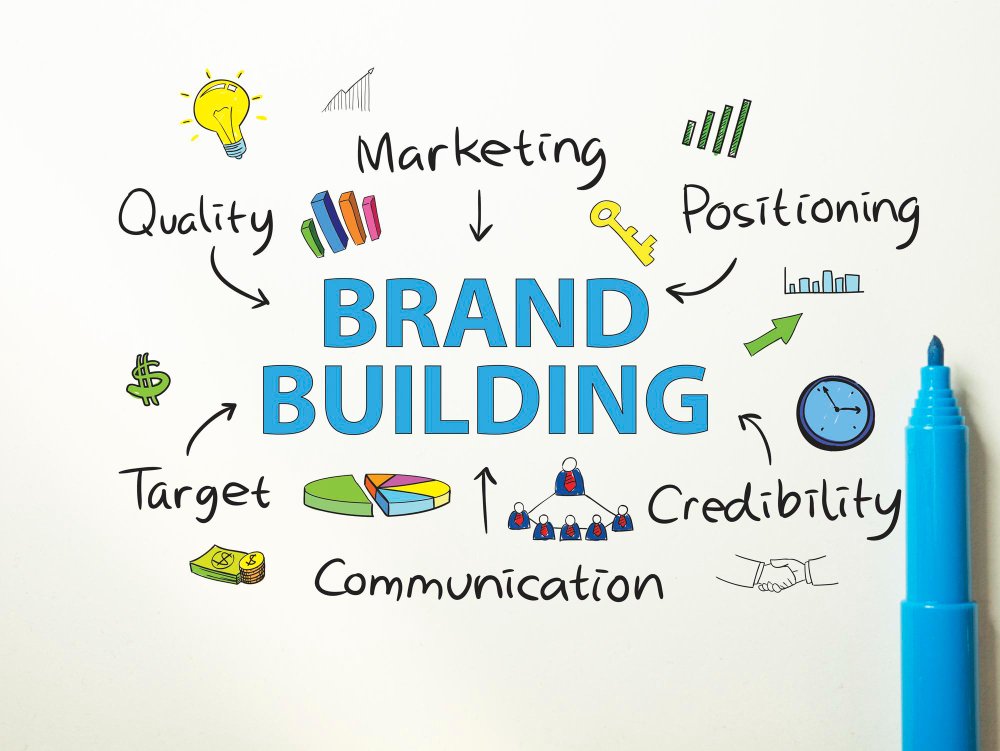
  • Best Web Design Services for Small Business in Toronto for Local Brand Growth

    Best Web Design Services for Small Business in Toronto for Local Brand Growth

    A website is rarely just a digital address anymore. It is the first handshake your business makes with a potential customer. For small businesses in Toronto, that first impression carries real weight in a market where competition shows up on every search result page.

    Most small business owners underestimate what their website is actually doing, or failing to do, every single day. A poorly structured site does not just look bad. It actively pushes customers toward a competitor who got this right.

    Getting your web presence right is one of the highest-leverage decisions a small business can make early.

    What Does a High-Performing Small Business Website Do?

    A website that drives real local growth does more than display your services and contact number. It builds trust within seconds, guides visitors toward a clear action, and communicates your brand without confusion.

    Understanding what separates a functional website from a growth-driving one changes how you approach the entire investment.

    • It earns trust before a word is read. Visitors form a visual opinion in under four seconds. Layout, imagery, and typography signal credibility before any copy is processed.
    • It guides behaviour, not just attention. Every page and every button moves visitors one step closer to calling or booking. No friction. No confusion.
    • It works on every device without compromise. Over sixty percent of local searches happen on mobile. A site that breaks on a phone is a conversion problem, not a minor issue.

    Most small businesses in Toronto are sitting on websites that fail at least one of these three things.

    The good news is that fixing this does not always require starting from scratch. Sometimes a structural rethink is all it takes to turn a passive site into an active growth tool.

    Why Local Brand Growth Starts With the Right Web Foundation

    Toronto is a city of neighbourhoods, each with its own character and buying behaviour. A website built for generic visibility will not resonate the way a site built with local context will.

    When small businesses invest in proper web design services small business growth, they are not just buying a new look. They are building a foundation that supports everything else, from social media to search to referrals.

    A website built without this foundation forces every other marketing channel to work harder than it should.

    Design and Brand Identity Must Speak the Same Language

    When your website and your brand identity are not aligned, visitors feel it even if they cannot name it. That disconnect creates hesitation.

    At MarkitMe, we treat web design and brand identity as the same conversation. The moment they are separated, consistency suffers. Here is what that alignment looks like in practice:

    • Colours and typography carry over from your logo and social presence. No variation.
    • Photography reflects your brand’s real tone, not generic stock imagery.
    • Copy matches how your business actually speaks to customers.
    • Page layouts reflect your brand values, whether that is trust, approachability, or authority.

    When these elements work together, a visitor feels like they already know you. That familiarity is what converts.

    The Problem With Websites That Were Built to Just Exist

    Many small business websites in Toronto were built years ago with one goal. Get something online. They served that purpose at the time.

    But a website built to exist is very different from a website built to perform. As your business grows, a site that simply holds information starts to work against you.

    Outdated design signals an outdated business to a visitor who has never met you before.

    How Website Redesign Changes the Growth Trajectory for Small Businesses

    There is a common misconception that redesigning a website is purely a cosmetic exercise. In reality, a strategic website redesign services project touches every layer of how your business performs online.

    It is not just about looking newer.

    A redesign done correctly starts with understanding what the current site is failing at. Where are visitors dropping off? What is hurting search visibility? These are performance questions, not design questions.

    When structure, speed, and visual identity are rebuilt together, the results compound. Pages rank better. Visitors stay longer. Conversions improve because the journey is clear.

    A redesign is not a refresh. It is a strategic reset.

    Does Your Current Website Reflect Where Your Business Is Today?

    Most small business owners built their first website when the business looked very different. Different services, different audience, and sometimes a completely different direction than where things stand now.

    A website that no longer reflects your current business is not neutral. It is actively misleading the customers you are trying to attract.

    Outdated messaging and visuals that no longer match your brand create a gap between expectation and reality. That gap damages trust before a conversation even starts.

    1. Audit What Your Current Site Is Actually Communicating

    Before any redesign begins, look at your website the way a stranger would.

    Read your homepage as if you know nothing about the business. Does it clearly explain what you do and who you serve? If the answer involves any hesitation, the site has work to do.

    Check your contact page and your calls to action. Are they specific and easy to act on? Most small business owners are surprised by how much has quietly drifted out of alignment.

    2. Align Your Visual Identity Before You Rebuild

    A redesign without brand clarity just produces a newer version of the same problem.

    Get clear on what your brand stands for visually before touching any layouts. Your colours, typography, and imagery style need to be resolved first.

    Investing in professional brand designing services before or alongside a redesign ensures that everything built going forward has a consistent foundation. It is the step most businesses skip and the one they always wish they had not.

    3. Build for the Local Audience You Actually Want

    Generic web design produces generic results.

    A website built for Toronto’s local market should reflect an understanding of that market. The neighbourhoods you serve. The specific problems your local audience is trying to solve when they land on your page.

    Local relevance in your content and messaging is what separates a website that converts locally from one that simply exists on the internet.

    What to Look for When Choosing a Web Design Partner in Toronto

    Not every web design provider approaches small business projects with the same level of strategic thinking. Hiring the wrong company will cost you a fancy-looking website that works exactly like your outdated one.

    All conversations have to begin with the end result. Find a company that starts by discussing your goals first and only then moves on to design considerations.

    • Portfolio of websites across various industries, not just the same template designs.
    • A focus on strategy and branding long before any actual design takes place.
    • Clear timeline, revision process, and cost expectations from the beginning.
    • Awareness of the importance of local SEO in order to create an easily found website.

    At MarkitMe, we pride ourselves on designing websites exactly according to this principle. Our websites look the way you want them to and operate at their best immediately after launch.

  • Best Branding Strategies for Toronto Startups to Stand Out in a Crowded Market

    Best Branding Strategies for Toronto Startups to Stand Out in a Crowded Market

    Toronto launches more startups every quarter than most Canadian cities see in a year.

    That is exciting. It is also brutal.

    Because when everyone is competing for the same customers, the same talent, and the same attention online, having a great product is no longer enough. Your brand is what makes people choose you over the ten other options that showed up in their Google search.

    Most startups get branding wrong. Not because they are careless. Because they mistake branding for a logo and a color palette.

    Real branding is the feeling someone gets when they interact with your business. It is what they say about you when you are not in the room. And for Toronto startups, getting that right from the beginning changes everything.

    Here is what actually works right now.

    Define Your Position Before You Design Anything

    Most startups jump straight into logo design. That is backwards.

    Before you pick fonts or colors, answer these three questions clearly:

    Who exactly are you for? Not “small businesses” or “millennials.” Get specific. A downtown Toronto restaurant owner who runs a team of 10 and wants to grow catering. The more specific your answer, the stronger your positioning.

    What do you do that nobody else does quite the same way? This is your differentiator. It does not have to be a completely new idea. It just has to be framed in a way that feels fresh and relevant to your specific audience.

    What feeling do you want people to walk away with? Confident? Relieved? Excited? Inspired? That feeling should drive every single brand decision you make going forward.

    Once you nail these three answers, your visual identity and messaging have a real foundation to stand on. Without them, you are just picking colors you like.

    Build a Brand Voice That Sounds Human

    AI-generated content is everywhere right now.

    Customers can feel it. Generic captions. Robotic email copy. Blog posts that sound like they were written by a machine trying to sound like a human.

    The startups winning attention in Toronto right now are the ones that sound like actual people. They have opinions and use humor when it fits. They talk to their audience the way a trusted friend would, not the way a corporate press release does.

    Your brand voice should feel consistent whether someone reads your website, your Instagram caption, or your email newsletter. Write like you talk. Cut the jargon. Say the thing directly.

    One simple exercise: write a sentence about your product or service the way you would explain it to a friend at a coffee shop on King Street. That version is almost always better than whatever formal copy you had before.

    Use Micro-Content to Build Recognition Before People Buy

    People rarely buy from a brand the first time they see it. They need multiple touchpoints. Multiple moments of recognition before trust builds enough to convert.

    Micro-content does this job better than anything else right now. Short videos, carousel posts, quick tips, behind-the-scenes clips. Content that takes 30 seconds to consume but leaves a clear impression.

    The goal is not to go viral. The goal is to show up consistently for your specific audience until your brand feels familiar. Familiar feels safe. Safe converts.

    Post three to four times a week minimum. Pick two platforms where your customers actually spend time. Go deep on those instead of spreading yourself thin across everything.

    Your Visual Identity Needs to Work Everywhere

    A logo that looks great on a business card but falls apart on a phone screen is a branding problem.

    Right now, your brand visuals need to work across a 6-inch phone screen, a LinkedIn profile thumbnail, a Canva template your team creates internally, and a physical sign if you have a location.

    Keep it simple. Strong brands use restraint. One or two fonts. A tight color palette of three to four colors maximum. A logo that reads clearly even at very small sizes.

    Consistency matters more than complexity. A simple brand applied consistently beats a complicated brand applied inconsistently every single time.

    If this feels overwhelming, working with a brand marketing agency Toronto can be a great decision. At MarkitMe, we work with Toronto startups on visual identity and brand design that holds up everywhere, from your phone screen to your storefront. Our work saves you months of back-and-forth and helps you avoid the costly rebrands that so many growing businesses run into down the road.

    Build Community, Not Just an Audience

    An audience watches but a community participates. Startups that build communities around their brand create something that paid advertising can never replicate: loyal customers who bring other customers with them.

    This means engaging with comments instead of just posting. It means creating spaces, online or offline, where your customers connect with each other. It means showing the people behind the brand, not just the product.

    Toronto has a strong local business culture. People here actively support brands they feel personally connected to. Use that. Show up at local events. Partner with other startups. Feature your customers in your content.

    Strong brand marketing is not just about broadcasting your message. It is about building something people want to be part of.

    Know When to Bring in Help

    There is a point where DIY branding stops serving your growth.

    When your brand looks inconsistent, your messaging confuses people, or your content gets no traction despite real effort, that is the signal. Bringing in a brand marketing agency Toronto professionals recommend at that stage is not an admission of failure. It is a smart business decision.

    Good brand marketing support pays for itself. It shortens your learning curve, sharpens your positioning, and puts your startup in a position to compete with brands that have been in the market for years.

    Toronto is crowded. But crowded markets still have room at the top.

    The startups that get there are the ones that take their brand seriously from day one. If you are ready to do that, MarkitMe is the place to start.