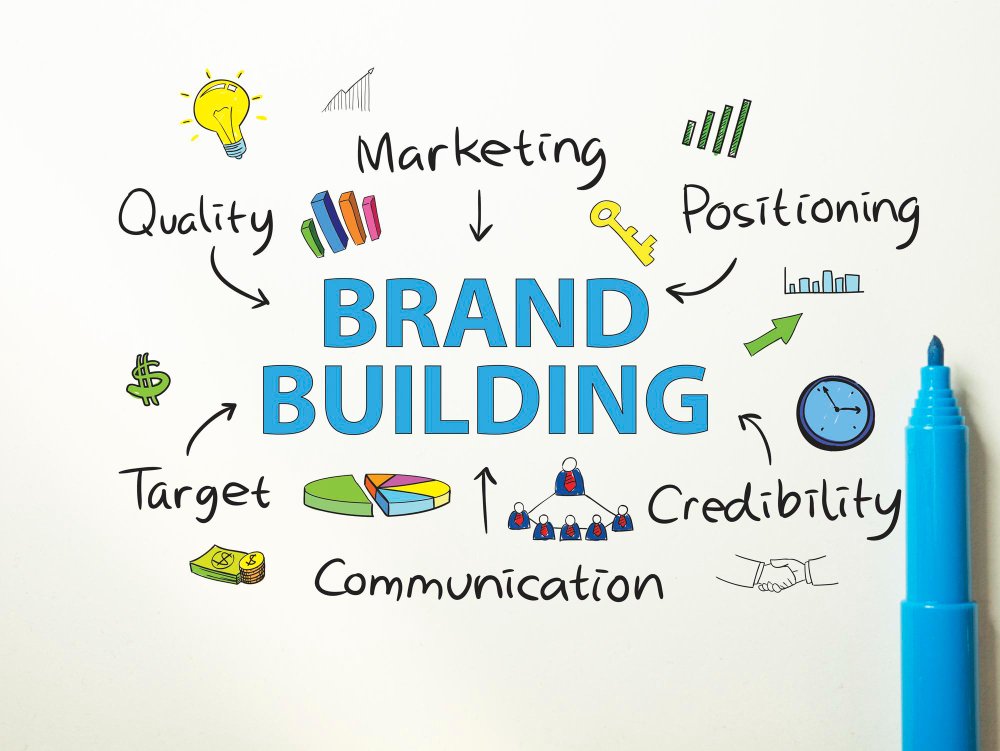
Tag: Branding Strategies

  • Creative Video Productions Toronto: From Concept to Viral Brand Impact

    Creative Video Productions Toronto: From Concept to Viral Brand Impact

    Every brand has a story. But not every brand knows how to tell it well.

    In a city like Toronto, where competition is fierce and attention spans are short, video content is no longer optional. It is the fastest way to build trust, grow your audience, and turn viewers into loyal customers.

    The brands winning online right now are not the ones with the biggest budgets. They are the ones with the sharpest creative vision.

    Why Video Is the Most Powerful Tool for Brands Right Now

    Numbers do not lie. Video content gets 1200% more shares than text and images combined. People remember 95% of a message when they watch it in a video. They remember only 10% when they read it.

    Toronto is a global city with a diverse, digitally active audience. That makes it one of the best places to build a brand through video. But it also means you are competing with thousands of other voices every single day.

    The brands that cut through the noise are not just making videos. They are making the right videos, with a clear strategy behind every second of footage.

    The Real Cost of Bad Video Content

    Bad video does more damage than no video at all.

    A shaky camera, poor audio, weak lighting, or a story that goes nowhere tells your audience one thing. You do not take your brand seriously.

    Here is what bad video content costs you:

    • Lost trust from your audience before they even know you
    • Lower engagement that hurts your reach on every platform
    • Wasted ad spend when your video fails to convert
    • A brand image that looks amateur in a professional market

    Great video, on the other hand, builds your reputation every time someone presses play.

    What Creative Video Productions Looks Like

    Most people think video production is just pointing a camera at something and hitting record. Real creative video productions Toronto work starts weeks before filming and continues long after the shoot ends.

    Here is what a full production process looks like:

    Discovery and Strategy

    Before any camera turns on, you need to understand your audience, your message, and your goal. Is this video for brand awareness? Lead generation? Product launches? Every answer shapes every decision that follows.

    Creative Development

    This is where ideas become scripts, mood boards, and shot lists. A strong concept is the difference between a video people skip and a video people share.

    Production Day

    Lighting, camera angles, sound, location, talent. Every detail matters. A controlled shoot saves hours in post-production and keeps the final product clean and professional.

    Post-Production

    This is where the magic happens. Editing, colour grading, sound design, motion graphics, and music all come together to create a finished piece that feels intentional and polished.

    Distribution Strategy

    A great video sitting on a hard drive helps no one. Getting it in front of the right audience, on the right platform, at the right time is just as important as making it.

    How We Help Toronto Brands Tell Better Stories

    At MarkitMe, we have sat across the table from brands who had a great product but zero clarity on how to show it. That is usually where the real work begins. Not with a camera. With a conversation.

    We handle the full creative journey. From the first brainstorming call to the final export, every decision we make is tied to one question. Will this actually work for your audience?

    Our videography services are built around tight pre-production planning so what we capture on the day is already close to the final vision. And if you have footage sitting in a folder going nowhere, our video editing services near me fill exactly that gap.

    Raw footage without strong editing is just potential. We turn it into something people actually watch till the end.

    What Separates Viral Videos from Forgettable Ones

    Every brand wants a viral video. Very few understand what actually makes one. Most people think it comes down to luck. It does not. It comes down to decisions made long before anyone hits publish.

    The difference between a video that spreads and one that disappears is not always budget or equipment. It is intention. Every viral video you have ever seen was built around a clear understanding of human emotion and platform behavior.

    When a video connects, it connects fast. Viewers feel something in the first few seconds and that feeling pushes them to watch till the end, save it, or send it to someone they know. That chain reaction is what every brand is chasing.

    Viral content is not an accident. It is a result of several things working together at once:

    • An emotional hook in the first three seconds
    • A message that feels personal, not promotional
    • Strong visuals that match the energy of the story
    • A clear reason for the viewer to share it with someone else
    • Platform-specific formatting that fits how people actually watch

    Virality is never guaranteed. No one can promise you a million views. But when your content is built on a solid creative foundation, it earns something more valuable than luck.

    Brands that consistently produce strong video content build momentum over time.

    Toronto Brands That Invest in Video Win Long Term

    Video content compounds over time. A strong brand film from two years ago still builds trust today. A well-edited product video still converts next quarter. A behind-the-scenes reel still grows your community months after you post it.

    Toronto has world-class talent, diverse stories to tell, and a massive audience ready to engage. The only question is whether your brand is showing up with content that earns their attention.

    At MarkitMe, we believe every brand deserves content that actually works. Not just videos that look good, but videos that move people to act.

    The brands that win in this city are the ones that take their story seriously.

    Your story is worth telling well. Let’s make sure people remember it.

  • Best Web Design Services for Small Business in Toronto for Local Brand Growth

    Best Web Design Services for Small Business in Toronto for Local Brand Growth

    A website is rarely just a digital address anymore. It is the first handshake your business makes with a potential customer. For small businesses in Toronto, that first impression carries real weight in a market where competition shows up on every search result page.

    Most small business owners underestimate what their website is actually doing, or failing to do, every single day. A poorly structured site does not just look bad. It actively pushes customers toward a competitor who got this right.

    Getting your web presence right is one of the highest-leverage decisions a small business can make early.

    What Does a High-Performing Small Business Website Do?

    A website that drives real local growth does more than display your services and contact number. It builds trust within seconds, guides visitors toward a clear action, and communicates your brand without confusion.

    Understanding what separates a functional website from a growth-driving one changes how you approach the entire investment.

    • It earns trust before a word is read. Visitors form a visual opinion in under four seconds. Layout, imagery, and typography signal credibility before any copy is processed.
    • It guides behaviour, not just attention. Every page and every button moves visitors one step closer to calling or booking. No friction. No confusion.
    • It works on every device without compromise. Over sixty percent of local searches happen on mobile. A site that breaks on a phone is a conversion problem, not a minor issue.

    Most small businesses in Toronto are sitting on websites that fail at least one of these three things.

    The good news is that fixing this does not always require starting from scratch. Sometimes a structural rethink is all it takes to turn a passive site into an active growth tool.

    Why Local Brand Growth Starts With the Right Web Foundation

    Toronto is a city of neighbourhoods, each with its own character and buying behaviour. A website built for generic visibility will not resonate the way a site built with local context will.

    When small businesses invest in proper web design services small business growth, they are not just buying a new look. They are building a foundation that supports everything else, from social media to search to referrals.

    A website built without this foundation forces every other marketing channel to work harder than it should.

    Design and Brand Identity Must Speak the Same Language

    When your website and your brand identity are not aligned, visitors feel it even if they cannot name it. That disconnect creates hesitation.

    At MarkitMe, we treat web design and brand identity as the same conversation. The moment they are separated, consistency suffers. Here is what that alignment looks like in practice:

    • Colours and typography carry over from your logo and social presence. No variation.
    • Photography reflects your brand’s real tone, not generic stock imagery.
    • Copy matches how your business actually speaks to customers.
    • Page layouts reflect your brand values, whether that is trust, approachability, or authority.

    When these elements work together, a visitor feels like they already know you. That familiarity is what converts.

    The Problem With Websites That Were Built to Just Exist

    Many small business websites in Toronto were built years ago with one goal. Get something online. They served that purpose at the time.

    But a website built to exist is very different from a website built to perform. As your business grows, a site that simply holds information starts to work against you.

    Outdated design signals an outdated business to a visitor who has never met you before.

    How Website Redesign Changes the Growth Trajectory for Small Businesses

    There is a common misconception that redesigning a website is purely a cosmetic exercise. In reality, a strategic website redesign services project touches every layer of how your business performs online.

    It is not just about looking newer.

    A redesign done correctly starts with understanding what the current site is failing at. Where are visitors dropping off? What is hurting search visibility? These are performance questions, not design questions.

    When structure, speed, and visual identity are rebuilt together, the results compound. Pages rank better. Visitors stay longer. Conversions improve because the journey is clear.

    A redesign is not a refresh. It is a strategic reset.

    Does Your Current Website Reflect Where Your Business Is Today?

    Most small business owners built their first website when the business looked very different. Different services, different audience, and sometimes a completely different direction than where things stand now.

    A website that no longer reflects your current business is not neutral. It is actively misleading the customers you are trying to attract.

    Outdated messaging and visuals that no longer match your brand create a gap between expectation and reality. That gap damages trust before a conversation even starts.

    1. Audit What Your Current Site Is Actually Communicating

    Before any redesign begins, look at your website the way a stranger would.

    Read your homepage as if you know nothing about the business. Does it clearly explain what you do and who you serve? If the answer involves any hesitation, the site has work to do.

    Check your contact page and your calls to action. Are they specific and easy to act on? Most small business owners are surprised by how much has quietly drifted out of alignment.

    2. Align Your Visual Identity Before You Rebuild

    A redesign without brand clarity just produces a newer version of the same problem.

    Get clear on what your brand stands for visually before touching any layouts. Your colours, typography, and imagery style need to be resolved first.

    Investing in professional brand designing services before or alongside a redesign ensures that everything built going forward has a consistent foundation. It is the step most businesses skip and the one they always wish they had not.

    3. Build for the Local Audience You Actually Want

    Generic web design produces generic results.

    A website built for Toronto’s local market should reflect an understanding of that market. The neighbourhoods you serve. The specific problems your local audience is trying to solve when they land on your page.

    Local relevance in your content and messaging is what separates a website that converts locally from one that simply exists on the internet.

    What to Look for When Choosing a Web Design Partner in Toronto

    Not every web design provider approaches small business projects with the same level of strategic thinking. Hiring the wrong company will cost you a fancy-looking website that works exactly like your outdated one.

    All conversations have to begin with the end result. Find a company that starts by discussing your goals first and only then moves on to design considerations.

    • Portfolio of websites across various industries, not just the same template designs.
    • A focus on strategy and branding long before any actual design takes place.
    • Clear timeline, revision process, and cost expectations from the beginning.
    • Awareness of the importance of local SEO in order to create an easily found website.

    At MarkitMe, we pride ourselves on designing websites exactly according to this principle. Our websites look the way you want them to and operate at their best immediately after launch.

  • Best Branding Strategies for Toronto Startups to Stand Out in a Crowded Market

    Best Branding Strategies for Toronto Startups to Stand Out in a Crowded Market

    Toronto launches more startups every quarter than most Canadian cities see in a year.

    That is exciting. It is also brutal.

    Because when everyone is competing for the same customers, the same talent, and the same attention online, having a great product is no longer enough. Your brand is what makes people choose you over the ten other options that showed up in their Google search.

    Most startups get branding wrong. Not because they are careless. Because they mistake branding for a logo and a color palette.

    Real branding is the feeling someone gets when they interact with your business. It is what they say about you when you are not in the room. And for Toronto startups, getting that right from the beginning changes everything.

    Here is what actually works right now.

    Define Your Position Before You Design Anything

    Most startups jump straight into logo design. That is backwards.

    Before you pick fonts or colors, answer these three questions clearly:

    Who exactly are you for? Not “small businesses” or “millennials.” Get specific. A downtown Toronto restaurant owner who runs a team of 10 and wants to grow catering. The more specific your answer, the stronger your positioning.

    What do you do that nobody else does quite the same way? This is your differentiator. It does not have to be a completely new idea. It just has to be framed in a way that feels fresh and relevant to your specific audience.

    What feeling do you want people to walk away with? Confident? Relieved? Excited? Inspired? That feeling should drive every single brand decision you make going forward.

    Once you nail these three answers, your visual identity and messaging have a real foundation to stand on. Without them, you are just picking colors you like.

    Build a Brand Voice That Sounds Human

    AI-generated content is everywhere right now.

    Customers can feel it. Generic captions. Robotic email copy. Blog posts that sound like they were written by a machine trying to sound like a human.

    The startups winning attention in Toronto right now are the ones that sound like actual people. They have opinions and use humor when it fits. They talk to their audience the way a trusted friend would, not the way a corporate press release does.

    Your brand voice should feel consistent whether someone reads your website, your Instagram caption, or your email newsletter. Write like you talk. Cut the jargon. Say the thing directly.

    One simple exercise: write a sentence about your product or service the way you would explain it to a friend at a coffee shop on King Street. That version is almost always better than whatever formal copy you had before.

    Use Micro-Content to Build Recognition Before People Buy

    People rarely buy from a brand the first time they see it. They need multiple touchpoints. Multiple moments of recognition before trust builds enough to convert.

    Micro-content does this job better than anything else right now. Short videos, carousel posts, quick tips, behind-the-scenes clips. Content that takes 30 seconds to consume but leaves a clear impression.

    The goal is not to go viral. The goal is to show up consistently for your specific audience until your brand feels familiar. Familiar feels safe. Safe converts.

    Post three to four times a week minimum. Pick two platforms where your customers actually spend time. Go deep on those instead of spreading yourself thin across everything.

    Your Visual Identity Needs to Work Everywhere

    A logo that looks great on a business card but falls apart on a phone screen is a branding problem.

    Right now, your brand visuals need to work across a 6-inch phone screen, a LinkedIn profile thumbnail, a Canva template your team creates internally, and a physical sign if you have a location.

    Keep it simple. Strong brands use restraint. One or two fonts. A tight color palette of three to four colors maximum. A logo that reads clearly even at very small sizes.

    Consistency matters more than complexity. A simple brand applied consistently beats a complicated brand applied inconsistently every single time.

    If this feels overwhelming, working with a brand marketing agency Toronto can be a great decision. At MarkitMe, we work with Toronto startups on visual identity and brand design that holds up everywhere, from your phone screen to your storefront. Our work saves you months of back-and-forth and helps you avoid the costly rebrands that so many growing businesses run into down the road.

    Build Community, Not Just an Audience

    An audience watches but a community participates. Startups that build communities around their brand create something that paid advertising can never replicate: loyal customers who bring other customers with them.

    This means engaging with comments instead of just posting. It means creating spaces, online or offline, where your customers connect with each other. It means showing the people behind the brand, not just the product.

    Toronto has a strong local business culture. People here actively support brands they feel personally connected to. Use that. Show up at local events. Partner with other startups. Feature your customers in your content.

    Strong brand marketing is not just about broadcasting your message. It is about building something people want to be part of.

    Know When to Bring in Help

    There is a point where DIY branding stops serving your growth.

    When your brand looks inconsistent, your messaging confuses people, or your content gets no traction despite real effort, that is the signal. Bringing in a brand marketing agency Toronto professionals recommend at that stage is not an admission of failure. It is a smart business decision.

    Good brand marketing support pays for itself. It shortens your learning curve, sharpens your positioning, and puts your startup in a position to compete with brands that have been in the market for years.

    Toronto is crowded. But crowded markets still have room at the top.

    The startups that get there are the ones that take their brand seriously from day one. If you are ready to do that, MarkitMe is the place to start.